
Dali Lithium Iron Phosphate Battery Protection Board, 4S LiFePO4 BMS with Active Balancing, Multiple Current Options from 15A to 500A in Same-Port Design for 12V Battery Systems
12V120A with balanced fan
£114.58
Sale price
£114.58
Regular price
Skip to product information

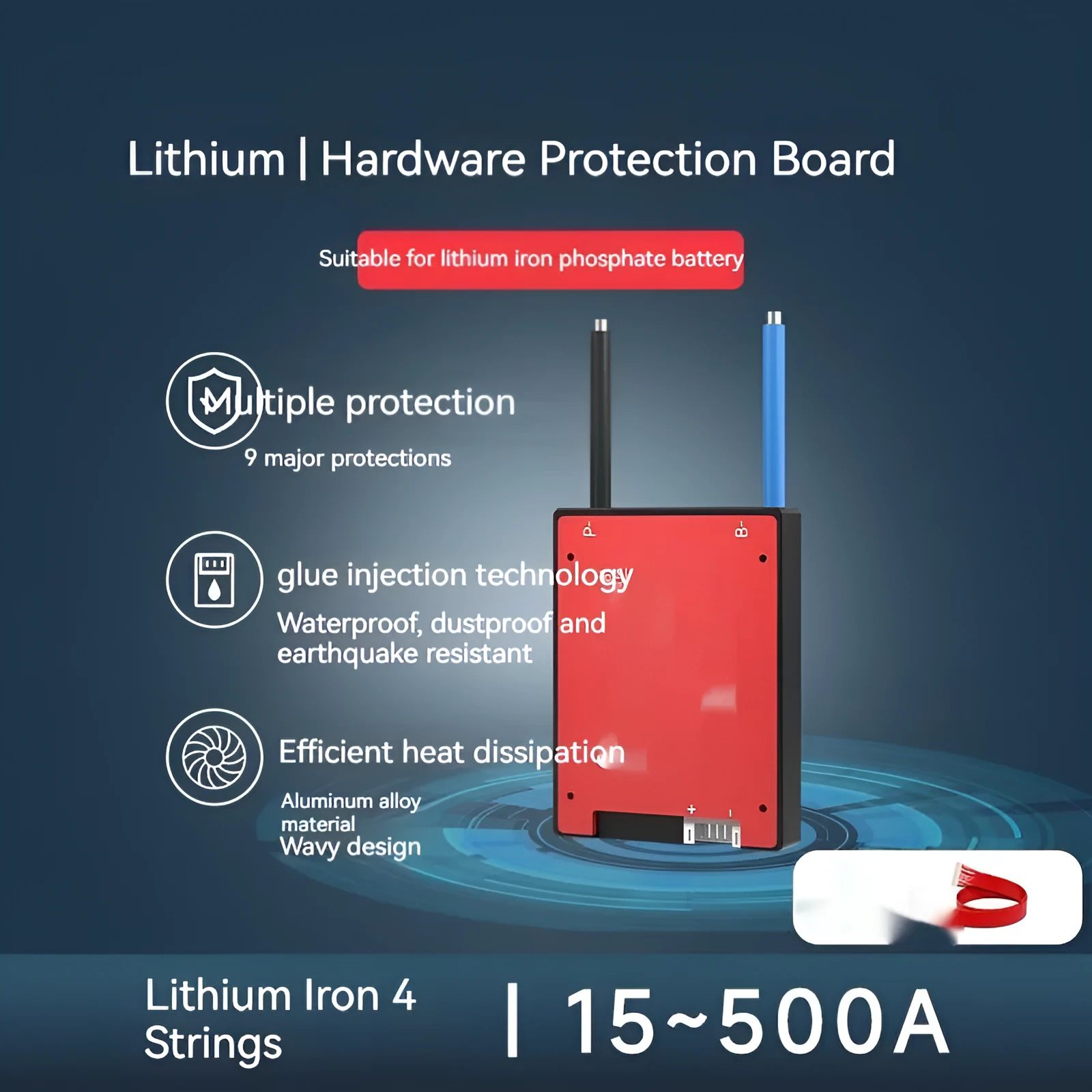
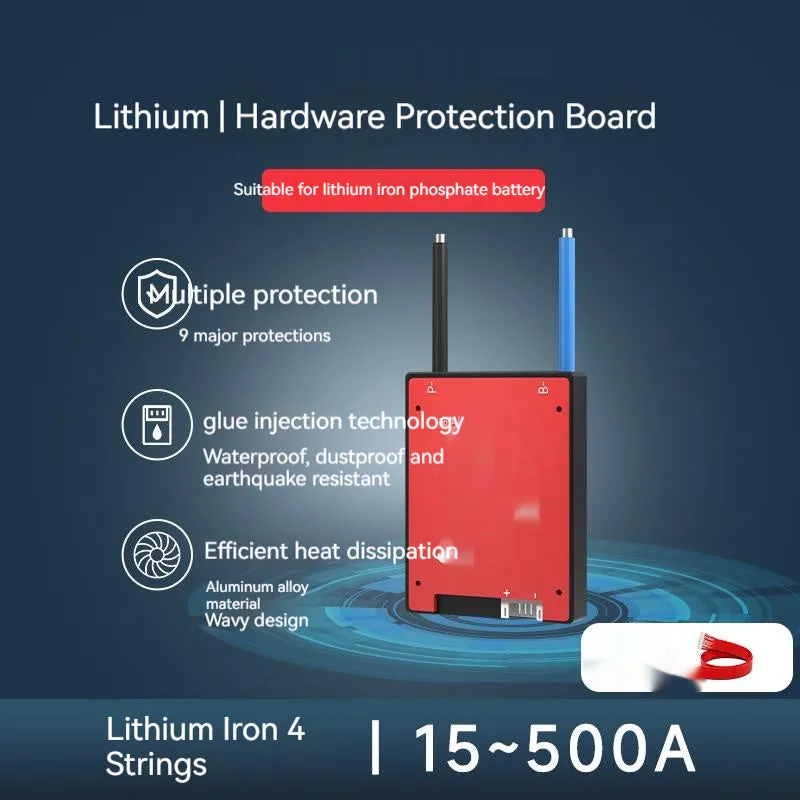
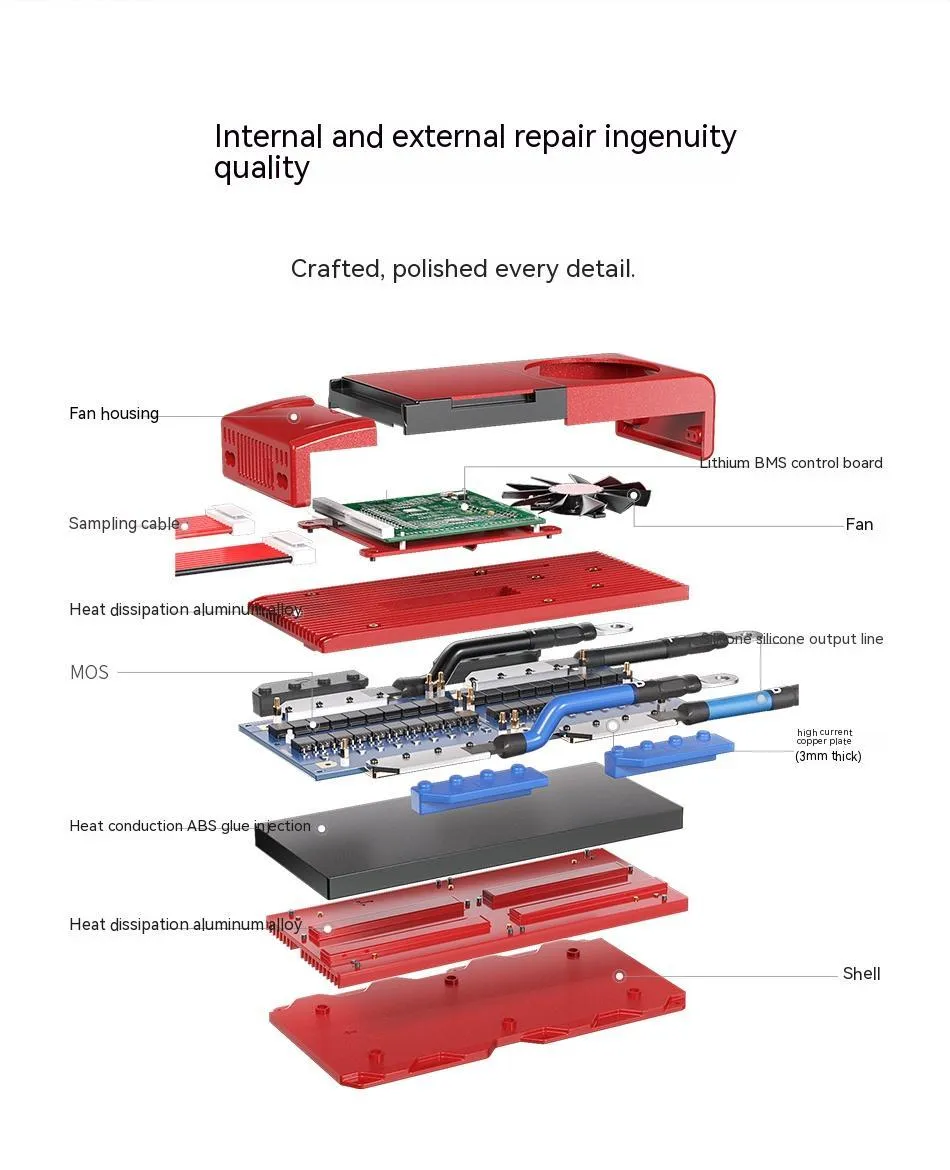 This Battery Management System (BMS) is engineered specifically for 12-volt energy storage setups using four Lithium Iron Phosphate (LiFePO4) cells connected in series. Its primary role is to protect your battery investment by continuously monitoring individual cell voltages and the overall pack current, intervening to prevent conditions that can degrade performance or cause damage. The inclusion of active balancing is a key feature, working to correct minor voltage differences between cells that naturally occur during charge and discharge cycles. Available in an extensive range of current capacities, from 15A suitable for smaller applications up to robust 500A versions for high-demand systems, this BMS offers a solution scaled to your power requirements. Many of the higher-current models are further enhanced with a built-in cooling fan, an important consideration for maintaining optimal operating temperatures under sustained load.
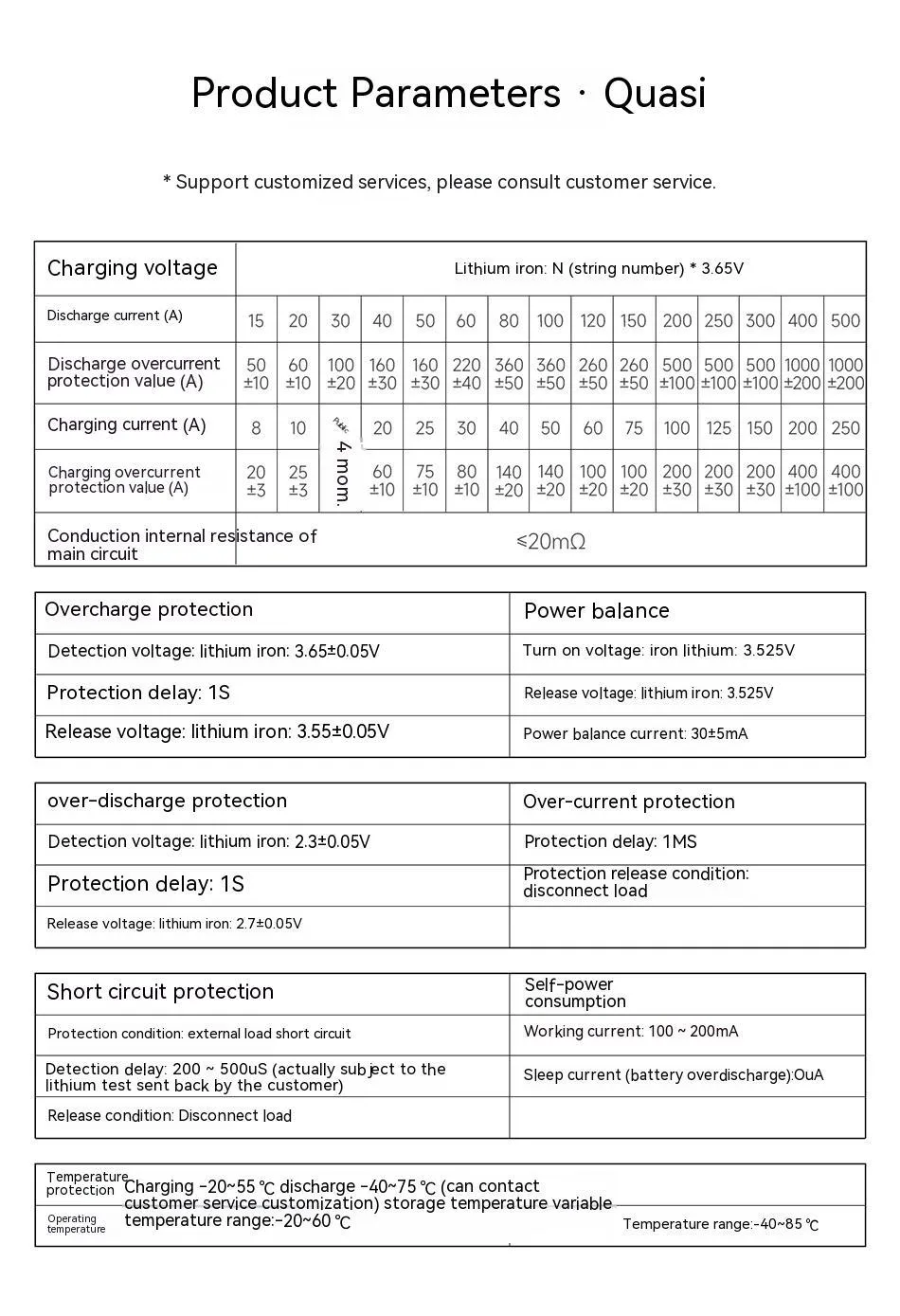 The core functionality of this protection board revolves around safeguarding a 4S LiFePO4 battery pack. It employs a same-port topology, meaning the single set of main terminals (labelled P+ and P-) handles both the inflow of charge current and the outflow of power to your load. This design can simplify the physical wiring compared to separate charge/discharge port designs.
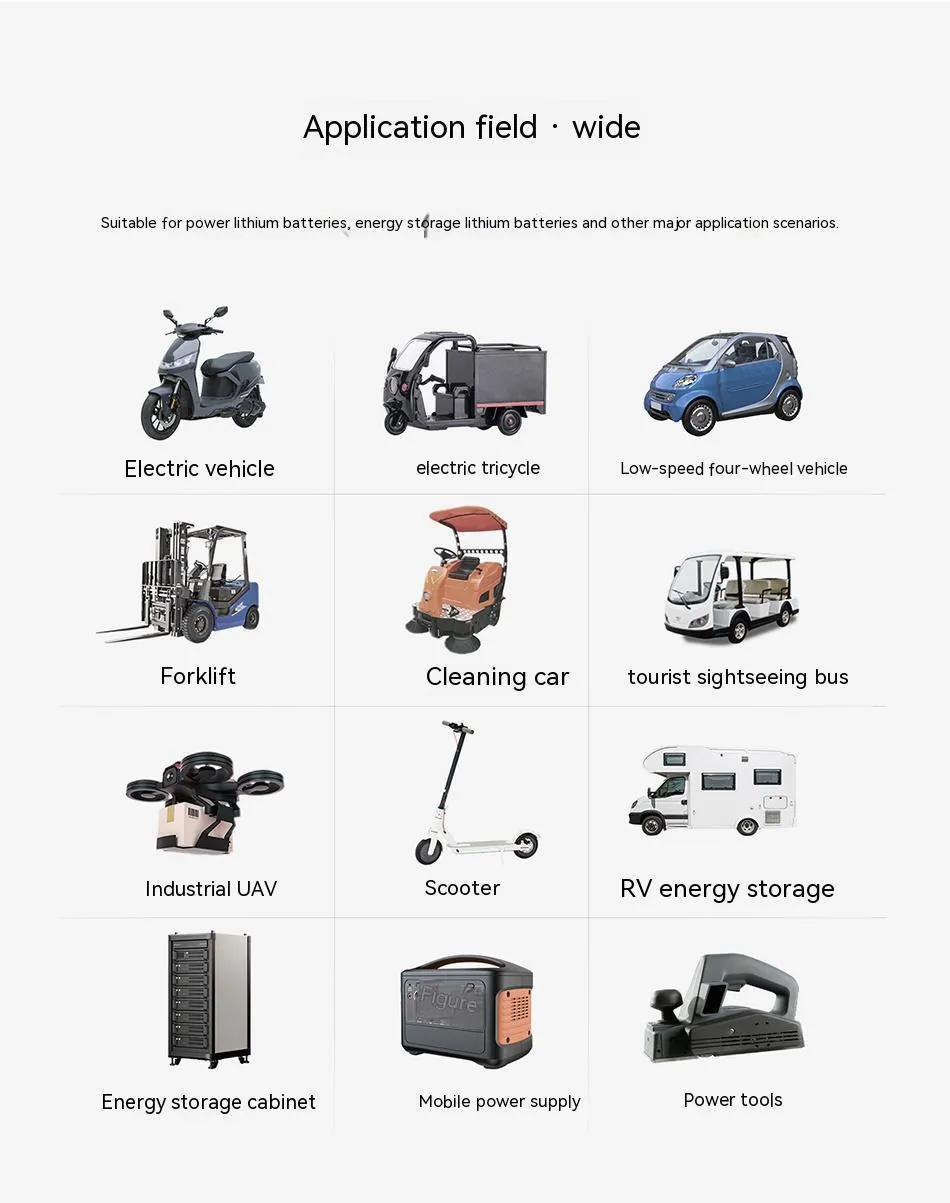
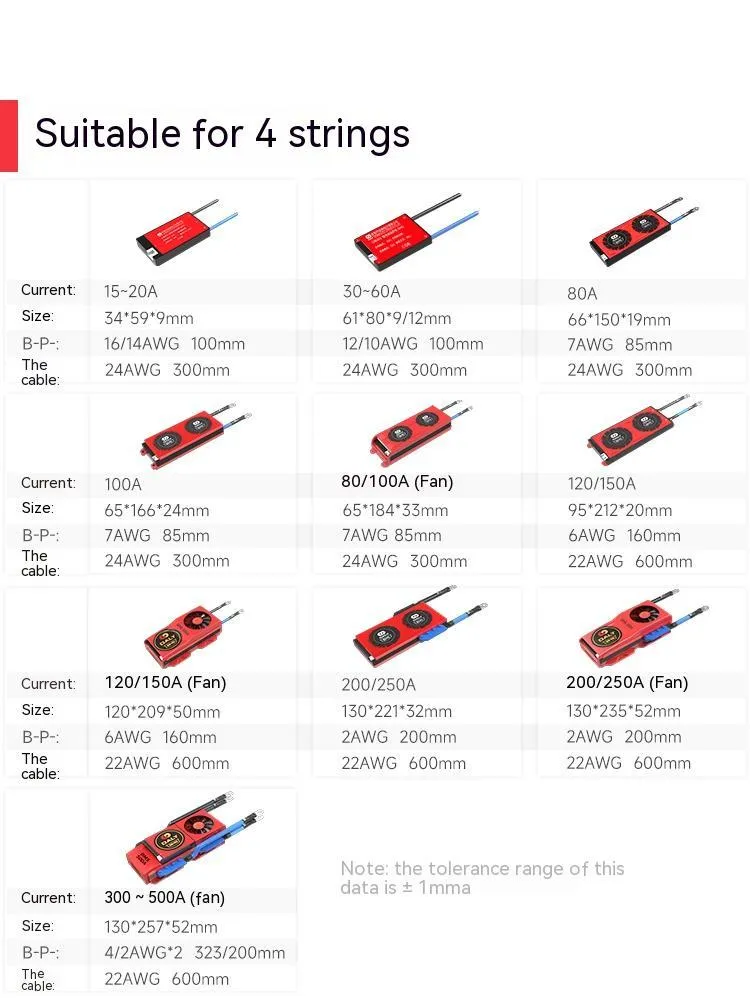 This BMS is a critical component for any DIY or commercial project utilising a 12V LiFePO4 battery bank. Its applications span from renewable energy storage and electric vehicles to marine and off-grid power systems.
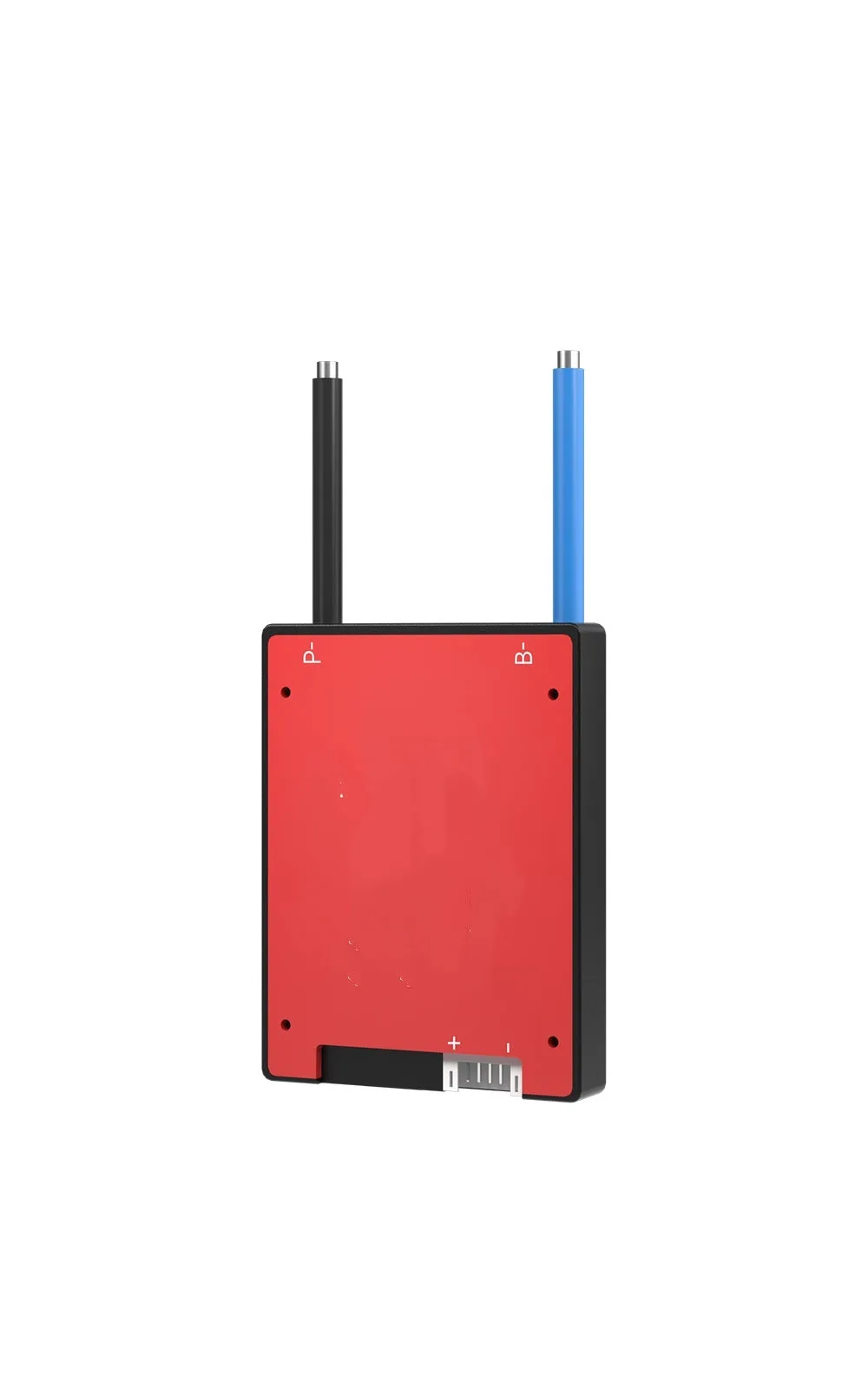 Choosing a BMS with the correct specifications is essential for safe and efficient battery operation. This product line's clear model differentiation allows for a precise match to your system's needs.


Dali Lithium Iron Phosphate Battery Protection Board, 4S LiFePO4 BMS with Active Balancing, Multiple Current Options from 15A to 500A in Same-Port Design for 12V Battery Systems
£114.58
Sale price
£114.58
Regular price
Dali 4S Lithium Iron Phosphate Battery Protection Board with Active Balancing for 12V Systems
Features and Construction
Material and Build
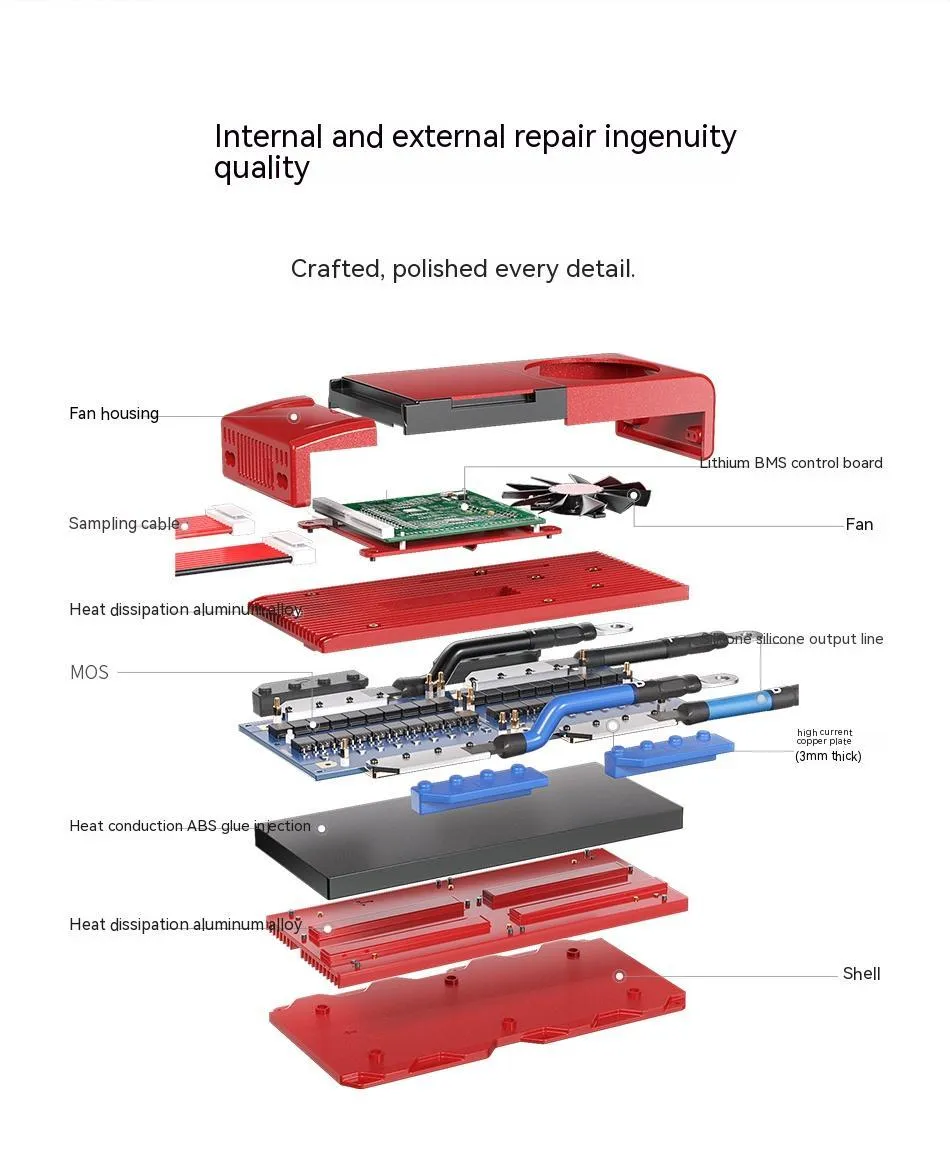
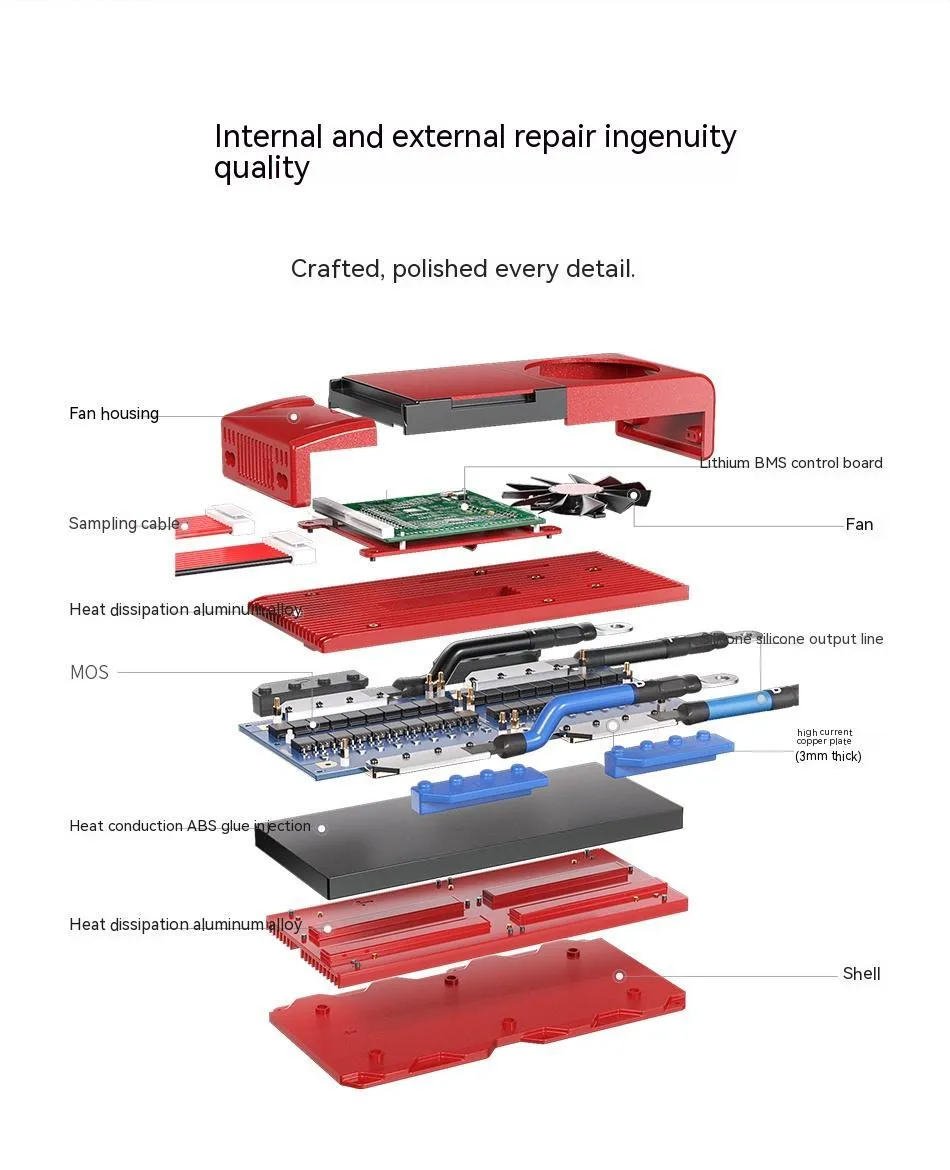
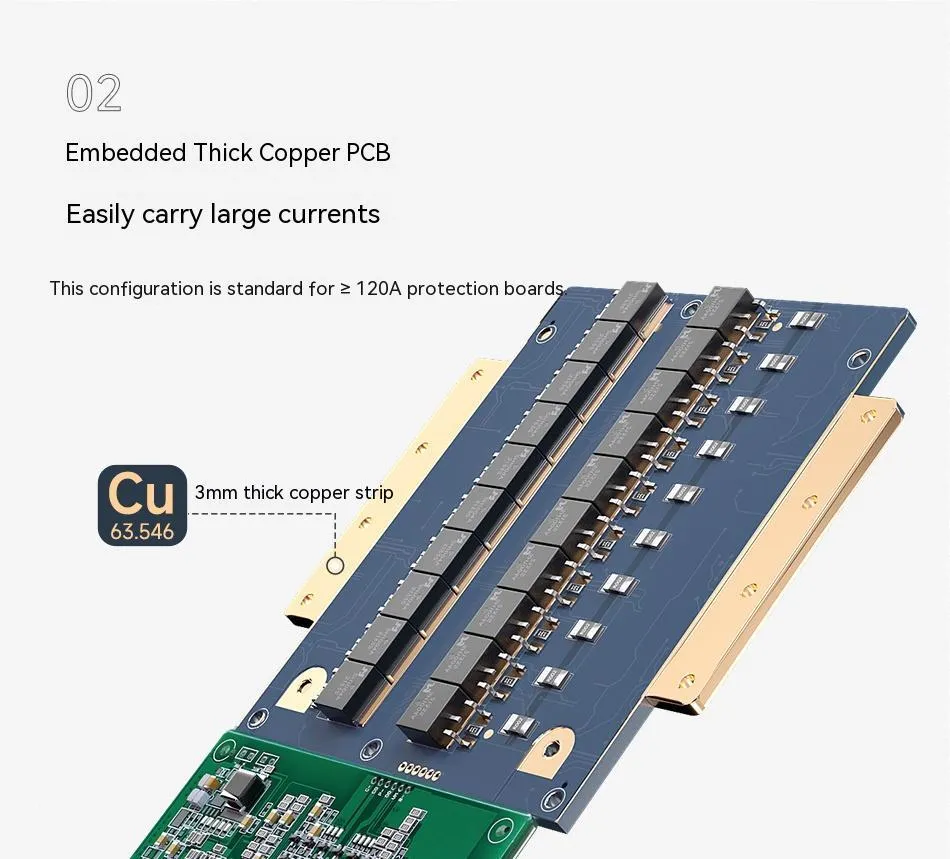
The unit is built around a printed circuit board populated with the necessary microcontrollers, MOSFETs for current switching, and precision resistors for voltage sensing. The main current-carrying paths utilise thick copper traces or bus bars, with the current rating (15A to 500A) determining the physical size and gauge of these conductors. High-current models (typically 80A and above) incorporate a small DC cooling fan directly mounted on the board to actively exhaust heat from the power components, aiding long-term reliability.Size and Practical Fit
While exact dimensions are not specified, the physical size of the board will correlate with its current rating; a 15A model will be notably more compact than a 500A version with its larger connectors and heatsinking. The same-port design influences the layout, typically resulting in a clear terminal block for the four cell voltage sense wires (B1, B2, B3, B4) and a separate, heavier-duty pair of terminals for the main pack positive (P+) and negative (P-). This layout is a practical consideration for installers, as it centralises both the monitoring and power connections on one board.Uses and Placement
Event or Professional Use
For professional or high-demand scenarios like powering food trucks, mobile medical stations, or backup telecoms systems, the high-current variants (200A, 250A, 300A, 400A, 500A) with cooling fans are most appropriate. These models are built to manage the substantial continuous loads and potential surge currents of professional equipment, with the active fan ensuring the BMS itself does not become a thermal bottleneck during extended operation.Everyday Home Use
In residential settings, such as for solar energy storage, caravan or campervan conversions, or home backup power, the mid-to-lower current models (e.g., 30A, 40A, 50A, 60A, 80A, 100A) are commonly selected. The active balancing function is particularly valuable here, as it helps maximise the usable capacity and lifespan of the battery pack over years of daily cycling, making it a practical choice for cost-conscious homeowners investing in battery storage.Benefits and Buying Value
Reuse and Low Maintenance
The primary value of a quality BMS lies in its role as a protective device, extending the functional life of the far more expensive battery cells it manages. By preventing harmful over-voltage, under-voltage, and over-current events, it reduces the risk of premature cell failure. The active balancing function further contributes to low maintenance by continuously working to keep the cells in harmony, which helps retain the pack's original capacity over time without requiring manual intervention.Why Choose This Product
This Dali BMS range offers a clear, model-specific selection based on two main criteria: required continuous current and the preference for passive or fan-assisted cooling. The explicit listing of models from 15A to 500A, with and without fans, allows you to avoid over-specifying (and over-paying) or under-specifying (and risking failure). The stated inclusion of active balancing across all models is a significant functional advantage for any LiFePO4 installation focused on long-term performance and reliability.